
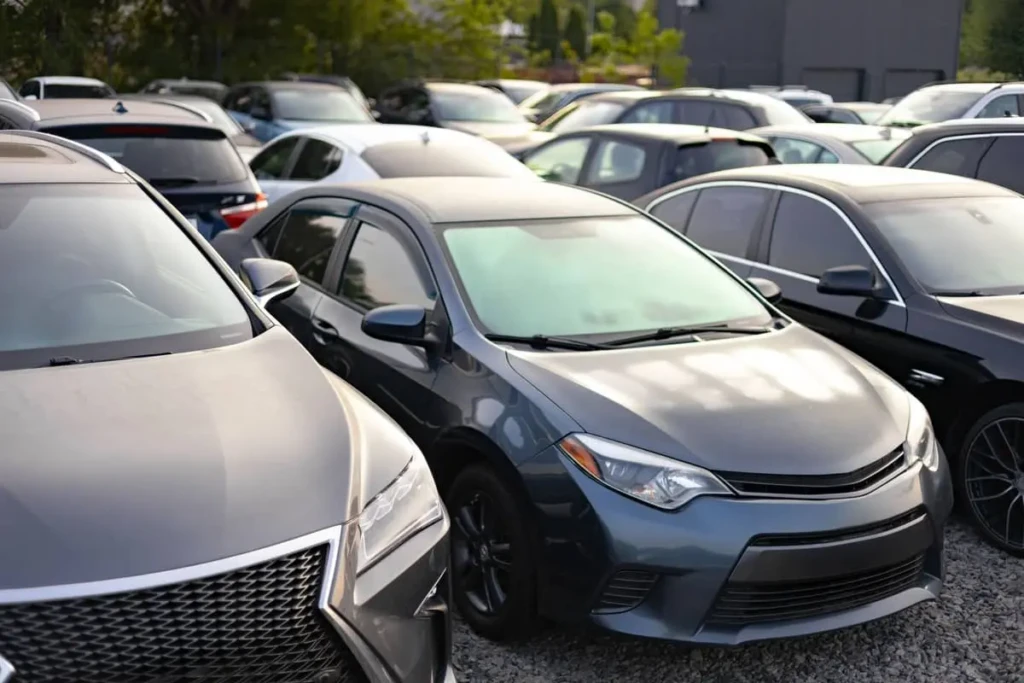
A lot of drivers assume California lemon law only applies to brand-new cars.
That assumption is not always correct.
A used vehicle may still qualify under California lemon law, but the details matter. The real question is not whether the car was used. It is whether the defect was covered by warranty, affected the vehicle’s use, value, or safety, and gave the manufacturer a fair opportunity to repair it.
Many drivers rule themselves out too early because the car has mileage, a previous owner, or a certified pre-owned label. In reality, the answer depends on warranty status, repair history, and the seriousness of the defect.
If you are trying to understand where your situation fits, our California Lemon Law page is a useful place to start.
Why Used Cars Can Still Qualify
California lemon law is tied closely to warranty coverage.
That means a used car may still qualify if the defect happened while the vehicle was covered by the manufacturer’s warranty. This can include certified pre-owned vehicles, cars still within the original factory warranty, or used vehicles sold with remaining manufacturer-backed coverage.
The key issue is not simply whether the vehicle was new or used when purchased. The real issue is whether the manufacturer was still responsible for repairing the defect.
That is why the lemon law requirements California drivers need to understand usually start with three questions: Was the vehicle covered by warranty? Did the defect affect the vehicle’s use, value, or safety? Did the manufacturer or authorized repair facility have a reasonable chance to fix it?
If those answers point in the same direction, the vehicle may be worth reviewing.
The Warranty Is Usually the First Thing to Check

Lemon Law Warranty Papers
For used cars, warranty coverage can make or break the claim.
If the issue happened outside warranty coverage, the case becomes harder. If the defect appeared while the manufacturer’s warranty was still active, the fact that the vehicle was used does not automatically end the discussion.
Useful warranty documents include the purchase or lease agreement, certified pre-owned paperwork, original manufacturer warranty, extended manufacturer warranty, repair orders showing warranty work, and dealership or manufacturer communications. These records help show whether the defect falls within the coverage period.
If you are unsure how the rules apply, our California lemon law requirements FAQ can help explain the lemon law requirements California vehicle owners often need to review before deciding what to do next.
Certified Pre-Owned Vehicles Deserve a Closer Look
Certified pre-owned vehicles can be especially confusing.
Many drivers buy a certified pre-owned car because they believe it has been inspected, backed, and protected by the manufacturer. When that vehicle starts having repeat problems, the frustration can feel even worse because the car was marketed as a safer used-car choice.
A certified pre-owned label does not automatically mean the vehicle qualifies as a lemon. But it can matter if the vehicle came with manufacturer-backed warranty coverage and the defect happened during that coverage period.
The repair history still matters. A single minor issue may not be enough. But repeated engine problems, transmission issues, electrical malfunctions, brake defects, or warning lights that keep returning after repair may be more serious.
If the same issue keeps coming back after repair, the question is no longer just whether the car is frustrating. It is whether the repair history is starting to look like a lemon law pattern.
Dealer Purchases, Private Sales, and Warranty Coverage
A used car bought from a dealership may still need to be reviewed carefully.
The dealership sale itself does not decide the claim. What matters is whether the vehicle had qualifying warranty coverage and whether the manufacturer or authorized repair facility had a reasonable chance to repair the issue.
For example, a used vehicle may still be within the original manufacturer’s warranty when purchased. In that case, warranty repairs may become part of the lemon law history. The repair orders may show when the issue appeared, what the dealership attempted, and whether the same defect came back.
It’s best to consult a lemon law attorney California, since they’ll be familiar with the requirements and deadlines that may apply to your case. They’ll typically review your warranty paperwork and repair history first, rather than focusing only on when the vehicle was purchased.
Private-party purchases are different. If the vehicle was bought from a private individual and there is no applicable manufacturer warranty left, the claim may be harder to pursue under California lemon law. The key question is whether any manufacturer warranty remained when the defect appeared.
The Defect Still Needs to Be Serious Enough
A used car does not qualify just because it has a problem.
The defect usually needs to affect the vehicle’s use, value, or safety. A cosmetic issue, normal wear, or minor inconvenience may not be enough by itself. But a recurring defect that makes the vehicle unreliable, unsafe, or worth less than expected may be different.
Examples may include recurring engine problems, transmission slipping, repeated electrical issues, brake system defects, steering concerns, warning lights tied to unresolved defects, and repeated no-start or shutdown issues.
If the issue keeps returning and affects how the driver uses or trusts the car, the defect may deserve a serious review.
Repair Records Matter More With Used Cars
With used vehicles, the paper trail is especially important.
The records can show whether the problem started during warranty coverage, whether the dealership had multiple chances to fix it, and whether the same issue kept returning. Without those records, the claim may depend too much on memory.
Useful documents include repair orders, service invoices, warranty paperwork, mileage records, dealership emails, manufacturer letters, and notes about when the problem returned.
The goal is to build a clear timeline. The clearer the pattern, the easier it is to understand whether the claim may fit.
California and Nevada Used Car Rules Are Not Always the Same
Drivers sometimes compare California and Nevada lemon law because both states deal with defective vehicle claims. But the rules are not identical.
A California used car claim should be reviewed under California law. A Nevada used car claim should be reviewed under Nevada law. The same defect may raise similar concerns in both states, but the warranty rules, claim process, and available remedies can differ.
That is why a Nevada lemon law used car issue should not be evaluated using only California-specific assumptions. Used car rules can vary by state, so Nevada drivers should review how warranty coverage, repair history, and purchase terms may affect whether a used vehicle qualifies.
Our Nevada Lemon Law page can help drivers begin that comparison.
What California Drivers Should Remember

Lemon Law Consultation
Used cars can qualify under California lemon law, but not every used car problem will.
Used car claims can be more complicated than new car claims because the warranty status may not be obvious at first. If the car was used, certified pre-owned, or still under a manufacturer warranty when the problem appeared, it may be worth having the documents reviewed.
For Orange County drivers, used car problems should be reviewed carefully when the defect happened under warranty and the dealership had repeated chances to fix it. The same is true for drivers in Los Angeles, San Diego, and other California communities where a used vehicle may still be tied to manufacturer-backed warranty coverage.
If you have any questions, it’s best to reach out to a lemon law attorney California, as they can often determine a great deal from the vehicle’s repair history and warranty documentation. While the review may show that the vehicle does not qualify, it may also confirm that being a used vehicle does not automatically disqualify it from lemon law protection.
You can start with our California Lemon Law page, Nevada Lemon Law page, or lemon law requirements FAQ for more detail.
A used car is not automatically excluded. If the warranty and repair history support the claim, California lemon law may still apply.