

If your car keeps returning to the dealership for the same problem, spends weeks awaiting repairs, or displays warning lights that come back after service, you may be dealing with more than an ordinary mechanical issue. A lemon law attorney Los Angeles drivers consult can review the defect, warranty, repair attempts, and time out of service to determine whether the vehicle may qualify under California law.
Not every frustrating car problem makes a vehicle a lemon. However, recurring defects, unsuccessful warranty repairs, and serious safety concerns deserve a closer look. The sooner you organize your repair history, the easier it may be to understand whether a pattern is developing.
What Are the Early Signs That Your Car May Be a Lemon?
One trip to the service department usually is not enough to establish that a vehicle is a lemon. Cars are complex, and many isolated problems can be repaired successfully. The concern grows when the problem continues, returns, or changes how safely and reliably you can use the vehicle.
Several warning signs may suggest that it is time to investigate further.
You Keep Returning for the Same Problem
A recurring defect is one of the clearest reasons to take a closer look at your repair history. Perhaps the dealership fixes a transmission issue, electrical malfunction, steering problem, or engine concern, but the same symptoms return days or weeks later.
The dealership may describe the issue differently on each repair order. For example, one visit might mention hesitation, another might list delayed acceleration, and a third might describe a loss of power. Although the wording varies, all three complaints could relate to the same underlying defect.
Compare your repair orders carefully. Look beyond the dealership’s diagnostic labels and consider whether you repeatedly reported the same symptoms.
Warning Lights Return After Repairs
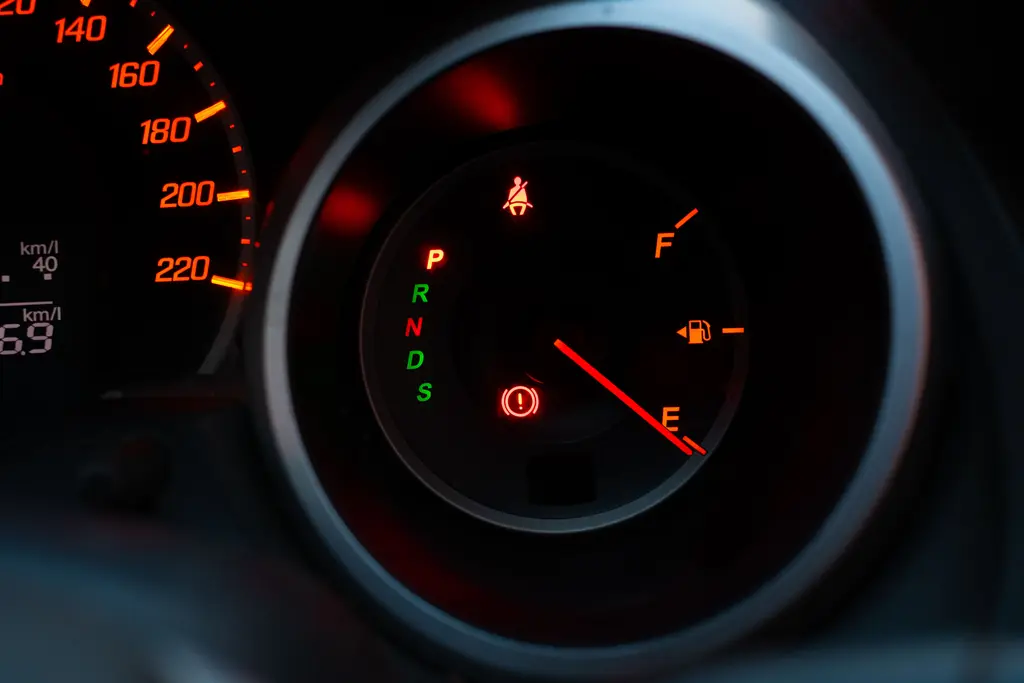
A dashboard light that reappears after service may indicate that the underlying problem remains unresolved. This is especially concerning when the light involves the engine, brakes, battery, charging system, airbags, or another system connected to safety or drivability.
Take a photo or video when a warning light appears, particularly if it disappears before your service appointment. Record the date, mileage, driving conditions, and any other symptoms you noticed. This documentation may help demonstrate that the problem continued even if a technician could not reproduce it during a short inspection.
The Vehicle Develops Safety-Related Problems
Some defects create risks that go far beyond inconvenience. Braking problems, sudden stalling, steering difficulties, unexpected acceleration, power loss, airbag warnings, or electrical shutdowns may make a vehicle dangerous to drive.
California’s lemon law does not treat every defect identically. The severity of the problem, its effect on the vehicle’s use, value, or safety, and the manufacturer’s opportunities to repair it can all matter. A serious safety concern may warrant legal review earlier than a minor comfort or cosmetic issue.
If you are unsure how different problems are evaluated, the upcoming guide, What Defects Actually Count Under Lemon Law? A Practical Guide for Drivers, will examine the types of vehicle defects that may support a claim.
Your Car Spends a Long Time at the Dealership
Repeated repair visits are not the only possible warning sign. Extended time out of service can also matter, even if the dealership has not made numerous repair attempts.
A vehicle might sit at the dealership while technicians wait for parts, seek approval from the manufacturer, or continue trying to diagnose an intermittent problem. Keep track of the date you dropped off the car and the date it was available for pickup. Those days can add up across multiple visits.
Los Angeles drivers often rely on their vehicles for work, school, appointments, and long daily commutes. Although that disruption alone does not determine whether a car qualifies, the repair timeline may become important when evaluating the overall history.
The Dealership Says It Cannot Reproduce the Problem
“Could not duplicate” or “no problem found” does not necessarily mean the defect never occurred. Intermittent electrical failures, software problems, warning lights, and performance issues may not appear during every test drive.
Continue reporting the problem when it returns. Explain the conditions under which it happens, such as the vehicle’s speed, outside temperature, battery level, traffic conditions, or how long the car had been running. Photos, videos, and written notes can help the dealership understand what you are experiencing.
Make sure the service advisor includes your complaint on the repair order, even if the dealership cannot confirm or repair it that day.
How Many Repair Attempts Does a Car Need?
There is no single repair number that automatically determines whether every vehicle qualifies. California law generally considers whether the manufacturer or its authorized repair facilities had a reasonable number of opportunities to fix a warranty-covered defect that substantially affects the vehicle’s use, value, or safety.
California also has a legal presumption that may apply when certain repair or downtime conditions occur within the first 18 months after delivery or 18,000 miles, whichever comes first. Depending on the circumstances, those conditions can involve multiple attempts to repair the same defect, fewer attempts for a problem likely to cause death or serious bodily injury, or more than 30 cumulative days out of service.
That presumption is not the only way a vehicle may qualify. Cases outside those time and mileage limits may still require review based on the applicable law and facts. The firm’s California lemon law requirements FAQ provides additional information about repair attempts, warranty coverage, time frames, and documents to gather.
Why Do Warranty Coverage and Mileage Matter?
California lemon law claims commonly involve problems covered by a manufacturer’s express warranty. As a result, the timing of the first symptoms and repair visits can be important.
Save the warranty booklet, purchase or lease agreement, and any documents describing additional or extended coverage. Do not assume that a dealership’s statement about warranty status provides the complete answer. Different warranties may cover different systems or periods, and used-vehicle coverage can raise additional questions.
Mileage also helps establish when the defect appeared, when each repair occurred, and whether a statutory presumption may apply. Record the vehicle’s mileage whenever a significant problem develops and confirm that each repair order lists it correctly.
Drivers searching for lemon law requirements California vehicles must meet should remember that the entire timeline matters. The year, mileage, warranty terms, repair history, and nature of the defect should be considered together.
What Records Should You Start Collecting?
Good documentation can turn a frustrating series of dealership visits into a clear repair history. Start gathering records as soon as you notice that a problem is repeating.
Useful documents and evidence may include:
- Purchase or lease paperwork
- The manufacturer’s warranty booklet
- Every repair order and service invoice
- Towing and rental-car records
- Emails or text messages with the dealership or manufacturer
- Photos and videos of warning lights or vehicle symptoms
- Manufacturer recall or service-campaign notices
- A written timeline of repair visits and days out of service
- Notes about conversations with service advisors
Review each repair order before leaving the dealership. Confirm that it accurately describes what you reported, the work performed, the mileage, and the dates the vehicle was unavailable. If the description is incomplete, ask whether it can be corrected.
For a broader look at overlooked warning signs, read Is Your Car a Lemon in California? The Signs Most Drivers Miss. Los Angeles drivers preparing to explore a claim can also read Before You Start a Lemon Law Claim in Los Angeles, Read This for guidance on what to consider before moving forward.
What Should You Avoid Doing When Problems Keep Returning?
Do not rely only on phone calls or verbal assurances that the dealership will “take care of it next time.” Follow up important conversations in writing and preserve the response.
You should also avoid minimizing a recurring symptom when speaking with the service department. Describe exactly what happened and how it affected the vehicle. If the car stalled in traffic, lost braking power, or failed to accelerate, say so clearly.
Finally, do not assume that repeated repairs are normal simply because the dealership keeps asking you to return. The related guide What Los Angeles Drivers Get Wrong About Recurring Vehicle Defects will explain common misunderstandings that can prevent drivers from recognizing a meaningful repair pattern.
When Should You Contact a Lemon Law Attorney in Los Angeles?
You do not need to wait until the vehicle becomes completely unusable. Consider requesting a review when the same issue has led to multiple dealership visits, a safety-related problem remains unresolved, repairs take an unusually long time, or the manufacturer and dealership have stopped providing clear answers.
A lemon law lawyer Los Angeles drivers contact can review whether the problem is covered by warranty, how many repair opportunities the manufacturer received, and how the defect affects the vehicle. That review can also identify missing records or important facts that may not be obvious from an individual repair order.
For local information about recurring defects and failed warranty repairs, visit the firm’s Los Angeles lemon law resource. Speaking with a lemon law attorney Los Angeles vehicle owners can consult does not mean that every case will qualify. It provides an opportunity to assess the facts before more time passes or additional paperwork becomes difficult to locate.
Start With Your Repair History
A recurring warning light or another visit to the dealership does not automatically make your car a lemon. Still, repeated repairs, excessive downtime, unresolved safety problems, and warranty-covered defects may justify a closer review.
If your vehicle keeps experiencing the same problems, gather your repair orders and create a simple timeline. The Lemon Lawyers can review your circumstances and help you understand whether California lemon law Los Angeles protections may apply. Contact a lemon law attorney Los Angeles drivers can turn to for a review of the vehicle’s warranty, mileage, defect history, and repair record.