

Before starting a lemon law claim in Los Angeles, gather every repair order, confirm that the problem was reported during applicable warranty coverage, and review the full repair pattern. A single frustrating dealership visit may not establish a claim. However, recurring defects, safety concerns, long repair delays, and repeated “could not duplicate” findings may deserve closer review.
A lemon law attorney in Los Angeles can evaluate whether the manufacturer had a reasonable opportunity to fix a covered problem. Preparing the relevant records first can make that review more accurate.
What Should You Review Before Starting a Lemon Law Claim in Los Angeles?
Start with the basic facts. Ask:
- What problem keeps occurring?
- When did it first appear?
- Was the vehicle covered by an applicable manufacturer’s warranty?
- How many times did an authorized facility address it?
- How many total days was the vehicle unavailable?
- Do the repair orders accurately describe each complaint?
- Has the defect affected safety, use, or value?
California law generally requires a manufacturer to replace a qualifying vehicle or provide restitution when it cannot conform the vehicle to applicable express warranties after a reasonable number of repair attempts.
For a broader explanation, the California lemon law page explains how warranty defects, repair opportunities, and possible remedies may fit together.
Which Documents Should You Gather?
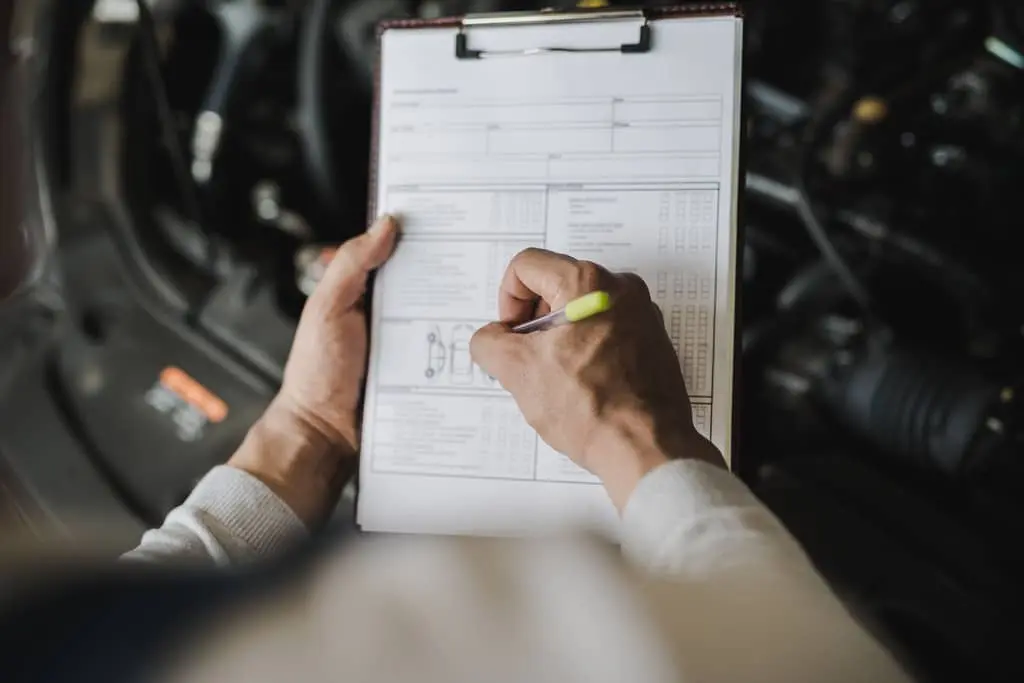
A useful starting file should include:
- The purchase or lease agreement
- The manufacturer’s warranty booklet
- Every repair order and dealership invoice
- Mileage records for each visit
- Towing and roadside assistance records
- Rental car or rideshare receipts related to repairs
- Emails, letters, texts, and app messages
- Photos or videos showing the defect
- Notes about warning lights, noises, symptoms, and dates
- Any manufacturer case number or written response
Keep the documents in date order. A simple timeline can show when the issue began, how often it returned, and how long the vehicle remained at the dealership.
Our upcoming guide, The Lemon Law Checklist Every Los Angeles Driver Should Have, will provide a more detailed list for organizing these materials.
Why Are Repair Orders So Important for a Los Angeles Lemon Law Claim?
Repair orders often provide the clearest written history of a potential claim. They can show the mileage, date, reported complaint, technician’s findings, work performed, and time in the shop.
Read each document before leaving the dealership. Make sure it reflects the symptoms you reported. For example, “vehicle loses power while merging” communicates more than “check engine.” An intermittent issue should still be described accurately.
California requires warranty repair work orders or invoices to include specific consumer information, and a copy must be provided when warranty repairs are made. Automotive repair invoices must also describe the work performed and parts supplied.
If a repair order is missing or inaccurate, request a copy or correction promptly. Preserve the original and keep written proof of your request.
Which Warning Signs May Point to a Potential Claim?
Not every vehicle problem qualifies under California lemon law. Still, several patterns may justify a closer review.
The Same Problem Keeps Coming Back
A defect that returns after several repairs may suggest that the underlying issue remains unresolved. Compare the symptoms, since diagnostic labels may change between visits.
The Defect Creates a Safety Concern
Loss of power, braking problems, steering issues, stalling, or airbag warnings may affect safe vehicle use. Describe exactly what happened without exaggerating or minimizing it.
The Vehicle Spends Long Periods in the Shop
Time out of service can matter even when repairs involve more than one defect. Track every day the dealership keeps the vehicle, including delays involving parts or diagnosis.
The Dealer Repeatedly Says “Could Not Duplicate”
This finding usually means the technician did not reproduce the problem during that visit. It does not necessarily mean the driver never experienced it.
Do “Could Not Duplicate” Findings Count as Repair Attempts?
The answer depends on the circumstances. A visit may still matter when the driver clearly reported the defect and gave an authorized facility an opportunity to inspect it, even if the technician could not reproduce the symptom.
For intermittent problems, record the conditions present when the issue occurs, such as speed, weather, battery charge, fuel level, or whether the engine was cold. Photos, dashboard videos, and dated notes may help explain a problem that disappears before service.
Focus on what you saw, heard, smelled, or experienced rather than guessing which part failed. Clear symptom descriptions are usually more useful than an unsupported diagnosis.
How Many Repair Attempts Are Enough in California?
There is no universal number that automatically decides every claim. California’s lemon law presumption provides certain benchmarks during the first 18 months after delivery or 18,000 miles, whichever occurs first. Depending on the facts, the presumption may involve two attempts for a defect likely to cause death or serious bodily injury, four attempts for the same nonconformity, or more than 30 cumulative days out of service.
Those numbers are not a minimum checklist for every driver. They create a presumption in certain cases. Claims outside those benchmarks may require a broader review of the defect, warranty, notice, repair history, and time out of service.
The lemon law parent overview page provides more context about the factors that may affect a claim.
Why Does Warranty Coverage Matter?
California lemon law generally centers on defects covered by an applicable express warranty. Review who issued the warranty, when coverage began, when it ended, and whether the reported problem falls within its terms.
A manufacturer’s warranty, dealer warranty, and third-party service contract are not necessarily equivalent. Certified pre-owned coverage may also have separate limits. Used vehicle claims often require additional review of the warranty and purchase history.
Do not assume a claim disappears because the warranty expired after the first repair visits. The timing of the defect, when it was presented for repair, and what happened afterward may matter. A lemon law lawyer in Los Angeles can review the actual warranty language.
Should You Contact the Manufacturer Before Starting a Claim?

Written communication can help establish what the manufacturer knew and when. Preserve case numbers, emails, chat transcripts, letters, and notes from telephone calls.
Some warranty materials contain instructions for notifying the manufacturer or using a dispute process. Review those materials before assuming dealership visits completed every necessary step.
The Lemon Lawyers’ Los Angeles page explains how local drivers can have their records reviewed. The California lemon law page also offers a broader overview.
What Should You Avoid Before a Case Review?
A few mistakes can make the repair history harder to evaluate:
- Do not discard repair orders, even when they seem repetitive.
- Do not rely only on verbal promises.
- Do not alter repair documents yourself.
- Do not sign documents you do not understand.
- Do not assume a recall automatically proves or defeats a claim.
- Do not assume that a certain number of visits guarantees a refund.
Continue following reasonable safety guidance and warranty service instructions. If the vehicle appears unsafe to drive, arrange appropriate assistance rather than trying to create another repair attempt.
When Should You Speak With a Lemon Law Attorney in Los Angeles?
Consider seeking a review when the same issue returns, the vehicle spends substantial time in the shop, a serious safety problem remains unresolved, or the manufacturer denies responsibility despite repeated warranty visits.
You do not need to organize the file perfectly. However, the purchase documents, warranty, repair orders, and current mileage will help a lemon law attorney California drivers contact understand the situation.
Our upcoming guide, Think Your Car Might Be a Lemon in Los Angeles? Start Here, will explain the earliest signs of a potential claim and the first steps to take.
Be Prepared Before You Move Forward
Before starting a lemon law claim in Los Angeles, review the warranty, gather every repair record, calculate the days out of service, and document recurring symptoms. The overall pattern matters more than any single dealership visit.
Not every unresolved problem meets California lemon law requirements. Still, repeated warranty repairs, safety-related defects, long delays, and continued “could not duplicate” findings may justify a closer look. The Lemon Lawyers can review the vehicle’s history and help Los Angeles drivers understand whether they may be ready to take the next step.