
Before contacting a lemon law attorney in Los Angeles, drivers can make the review process easier by gathering records that show what went wrong, when it happened, and how the dealership responded. Repair orders, warranty documents, mileage records, and communications can help turn months of frustration into a clear timeline.
You do not need a perfect file before asking questions. Missing paperwork or an incomplete timeline should not prevent you from seeking guidance. However, organizing what you already have can make it easier to evaluate whether repeated vehicle problems may support a claim.

What Should Be on Your Los Angeles Lemon Law Checklist?
The goal of this checklist is not to prove your claim on your own. It is to collect the information that may help an attorney understand the vehicle, its warranty coverage, and its repair history.
Start with the following items.
1. Every Repair Order
Repair orders are often among the most important documents in a lemon law review. They can show:
- The date you brought the vehicle to the dealership
- The mileage at the time of service
- The symptoms or concerns you reported
- The technician’s findings
- The repairs or software updates performed
- The date the vehicle was returned
- Whether the dealership could reproduce the problem
Keep repair orders even when the dealership says it found nothing wrong. A “could not duplicate” finding can still document that you reported the problem and gave the dealership an opportunity to investigate it.
Review each order before leaving the service department. Make sure it accurately describes your complaint. If you reported that the car stalled in traffic but the order says only “check engine light,” ask whether the description can be corrected or expanded.
2. Dealership Invoices, Including Zero-Dollar Invoices
Drivers sometimes discard an invoice because warranty coverage reduced the balance to zero. The amount you paid is not the only reason the invoice matters.
A zero-dollar invoice may still confirm that the dealership inspected the vehicle, replaced a part, installed an update, or kept the car for several days. It may also contain diagnostic codes, technician notes, and information about parts that were ordered or unavailable.
Save the final invoice from each visit, not only the initial estimate or appointment confirmation.
3. Your Warranty Documents
Warranty records help establish what coverage applied when the defect appeared and when repairs were attempted. Look for:
- The manufacturer’s new-vehicle warranty booklet
- Powertrain or battery warranty information
- Certified pre-owned warranty documents
- Extended coverage documents
- Service contracts
- Written warranty exclusions or limitations
Not every vehicle problem is covered, and not every type of warranty supports the same rights. Still, these documents give a lemon law attorney Los Angeles drivers contact a starting point for determining whether the manufacturer may have been responsible for repairing the defect.
If you cannot find the original booklet, check the manufacturer’s owner portal or ask the dealership for a copy of the warranty information associated with your vehicle.
4. Purchase or Lease Paperwork
Gather the documents you received when you purchased or leased the vehicle. These may include:
- The purchase or lease agreement
- Financing documents
- The vehicle identification number
- Registration records
- Down payment and trade-in information
- Add-on product or service-contract paperwork
- Certified pre-owned documents, if applicable
These records help identify the vehicle, transaction date, parties involved, and financial terms. They may also clarify whether the vehicle was bought new or used and what warranties or additional products were included.
Do not worry if the packet is large. Keep it intact and allow the relevant documents to be identified during the review.
5. A Mileage Record
Mileage helps establish when a problem first appeared and how the defect developed over time. Record the mileage:
- When you first notice a problem
- At each repair appointment
- When the problem returns
- When a warning light appears
- When the vehicle is towed or becomes undrivable
- At the time you request a legal review
Repair orders usually include mileage, but errors happen. Compare the numbers and flag anything that seems incorrect.
Mileage can also matter when evaluating the lemon law requirements California applies, including whether certain statutory presumptions may be relevant. It should be considered with the vehicle’s delivery date, warranty coverage, repair attempts, and days out of service.
6. Communications With the Dealership
Important details do not always appear on formal repair paperwork. Save communications with service advisors, dealership managers, and other employees, including:
- Emails
- Text messages
- Service portal messages
- Appointment confirmations
- Voicemails
- Letters
- Notes from telephone conversations
These records may show that you repeatedly reported the problem, waited for parts, requested updates, or were told to continue driving the vehicle. They can also help explain gaps between formal repair visits.
After an important telephone conversation, write down the date, the employee’s name, and the main points discussed. Keep the note factual and avoid guessing about what the person meant.
7. Communications With the Manufacturer
If you contacted the manufacturer directly, save the case number and every related communication. This includes emails, letters, chat transcripts, and notes from telephone calls.
Write down when you opened the case, what you reported, and what response you received. If the manufacturer promised to investigate, contact the dealership, or provide a decision by a certain date, record that information as well.
These communications may help show what the manufacturer knew about the problem and how it responded.
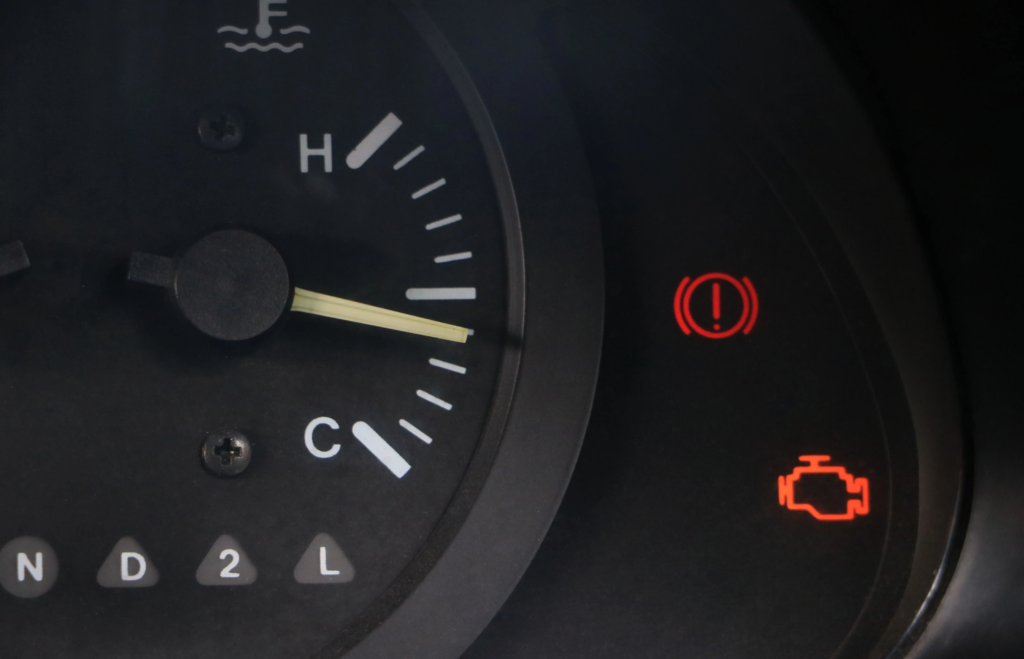
8. Photos and Videos of the Defect
Intermittent problems often disappear before a technician can inspect the vehicle. When it is safe to do so, photograph or record:
- Dashboard warning lights
- Error messages
- A malfunctioning display
- Fluid leaks
- Smoke or unusual exhaust
- Failure of lights, cameras, or other systems
- Unusual noises
- The vehicle failing to start
Keep the original files when possible because they may preserve the date and time. Add a brief note identifying the mileage, location, and driving conditions.
Photos and videos do not replace a dealership inspection, but they may help document symptoms that technicians cannot reproduce during a short test drive.
9. Notes About When the Problem Occurs
Create a simple log rather than relying on memory. For each incident, record:
- The date and approximate time
- The vehicle’s mileage
- What happened
- Whether a warning light appeared
- Whether the car stalled, hesitated, or lost power
- Weather or road conditions, if relevant
- How long you had been driving
- Whether the vehicle needed towing
- Whether the same symptom occurred before
Patterns may become easier to identify once the incidents are listed together. An electrical malfunction might happen after rain, for example, while a transmission problem may appear after the car warms up or during stop-and-go traffic.
Keep the notes objective. A short description such as “vehicle hesitated for several seconds while merging” is more useful than a vague statement that the car “felt terrible.”
10. A Record of Days Out of Service
Track every day the vehicle spends at the dealership for repair. Include delays caused by continued diagnosis, unavailable parts, or waiting for manufacturer authorization.
Record:
- The date you dropped off the vehicle
- The date the dealership said repairs were complete
- The date you actually picked it up
- Whether you received a loaner or rental vehicle
- Why the repair took longer than expected
California lemon law can consider cumulative days out of service under certain circumstances. A long stay may matter, but several shorter repair visits can also add up. Do not rely only on your memory or assume the dealership calculated the total correctly.
11. Towing, Rental-Car, and Related Records
Save towing bills, roadside-assistance records, rental agreements, and loaner-vehicle paperwork. These documents can help confirm when the car became unavailable and how long you were without it.
They may also support your timeline when a repair order does not fully explain how the vehicle reached the dealership or when it was returned.
Keep related receipts together, but do not assume every expense will necessarily be recoverable. Available remedies depend on the facts and applicable law.

How Should You Organize the Documents?
You do not need an elaborate filing system. Choose a format that makes the timeline easy to follow.
A physical folder can work well if most of your records are on paper. For digital records, create folders for:
- Purchase or lease documents
- Warranty information
- Repair orders and invoices
- Dealership communications
- Manufacturer communications
- Photos and videos
- Towing, rental, and related records
Name digital files with the date first, such as “2026-05-14 Repair Order.” That keeps them in chronological order automatically.
Then create a one-page timeline listing each problem and repair visit. Include the date, mileage, reported symptom, dealership response, and whether the problem returned. This summary does not replace the original records, but it can make the overall pattern easier to understand.
For a deeper explanation of individual records, review the documents that can affect a lemon law claim.
What If You Are Missing Part of the Checklist?
Do not wait until everything is perfect. Many drivers are missing an invoice, cannot find the original warranty booklet, or did not document the first time a warning light appeared.
Start with what you have. You may be able to request duplicate repair records from the dealership, retrieve communications from an online account, or download warranty information from the manufacturer.
The firm’s California lemon law FAQ can help you understand how repair attempts, warranty status, timing, and vehicle history may affect a potential claim.
You can also review [Think Your Car Might Be a Lemon in Los Angeles? Start Here] for help identifying the warning signs that may justify a closer look at your records.
When Should You Ask a Lemon Law Attorney to Review the File?
You do not need to wait until another repair fails or the vehicle becomes undrivable. Consider requesting a review when the same problem keeps returning, safety concerns remain unresolved, or dealership delays continue to add days to the repair timeline.
A lemon law lawyer Los Angeles drivers consult can evaluate whether the records show a warranty-covered defect, reasonable repair opportunities, and a meaningful effect on the vehicle’s use, value, or safety.
The upcoming guide, Do You Need a Lemon Law Attorney in Los Angeles or Can You Wait?, will explain why the timing of a review can matter and when continued waiting may make a situation harder to document.
Before moving forward, you may also find it helpful to read what Los Angeles drivers should know before starting a claim.
Bring What You Have and Start From There
An organized file can make a repair pattern easier to recognize, but you do not need every item on this checklist before asking for guidance. Bring the repair orders, warranty papers, communications, and other records you already have. Missing documents can be identified during the review.
For local information about repeated warranty repairs and manufacturer obligations, visit the firm’s Los Angeles lemon law resource.
If you are unsure whether your documents support a claim under lemon law Los Angeles protections, The Lemon Lawyers can review the vehicle’s repair history and explain possible next steps. Contact a lemon law attorney Los Angeles drivers can turn to for an evaluation of the records and circumstances involved.